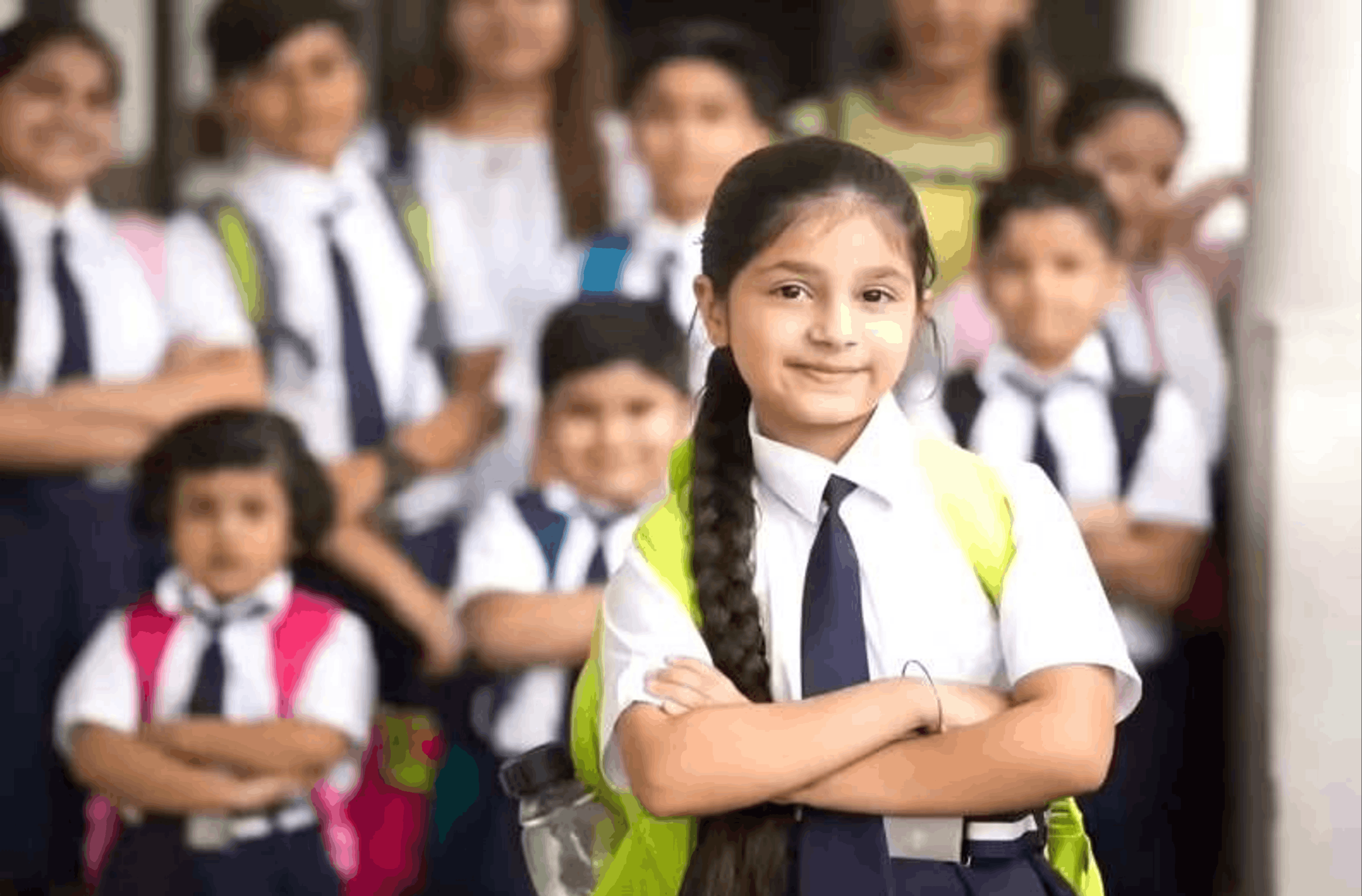

School uniforms have been an integral part of India's education system for decades. Beyond creating a sense of discipline and equality, uniforms reflect societal values, educational priorities, and changing fashion trends. Over the years, school uniforms in India have undergone significant transformations—from simple, functional attire to modern, comfortable, and identity-driven designs.
The Early Days: Simplicity and Discipline
In the early decades after independence, school uniforms were designed primarily for practicality and affordability. Most schools adopted basic styles:
- White shirts paired with navy blue or khaki shorts for boys.
- Simple pinafores or skirts with white blouses for girls.
- Minimal variations in design across schools.
- Durable fabrics intended for long-term use.
The primary objective was to instill discipline, uniformity, and a sense of belonging among students. Fashion and comfort were secondary considerations.
The Shift Towards Comfort and Identity
As India's educational landscape evolved, schools began recognizing the importance of student comfort and institutional branding. Uniforms started incorporating:
- Better-quality fabrics.
- School logos and embroidered badges.
- Seasonal uniform options.
- More comfortable fits and cuts.
Schools also introduced sports uniforms, house uniforms, and activity-specific attire to support holistic student development.
Modern School Uniforms: Style Meets Functionality
Today's school uniforms are a blend of professionalism, comfort, and practicality. Modern designs focus on:
1. Comfortable Fabrics
Breathable cotton blends and moisture-resistant materials help students remain comfortable throughout the day.
2. Improved Fit
Contemporary tailoring ensures better movement, especially during sports and extracurricular activities.
3. School Branding
Custom colors, logos, ties, blazers, and accessories strengthen school identity and pride.
4. Gender-Inclusive Options
Many schools now offer flexible uniform choices, promoting inclusivity and comfort for all students.
5. Climate-Friendly Designs
Schools increasingly choose fabrics and designs suitable for India's diverse climatic conditions.